
It’s the opposite of FIFO, where the newest inventory is sold first instead of the oldest. If you are planning to decrease payroll your tax liability then it is recommended to use the LIFO method. Gas, oil companies, car dealerships and retailers use the LIFO method often. Entering this data successfully will allow you to figure out the FIFO and LIFO values. Choosing between FIFO and LIFO depends on a company’s financial strategy, industry, goals and places of business.
- FIFO stands for First In, First Out, where older inventory is sold first.
- FIFO can increase the tax burden because of higher reported profits due to the lower cost of goods sold during inflation.
- All costs are posted to the cost of goods sold account, and the ending inventory has a zero balance.
- As the FIFO method assumes we sell first the firstly acquired items, the ending inventory value will be lower than in other inventory valuation methods.
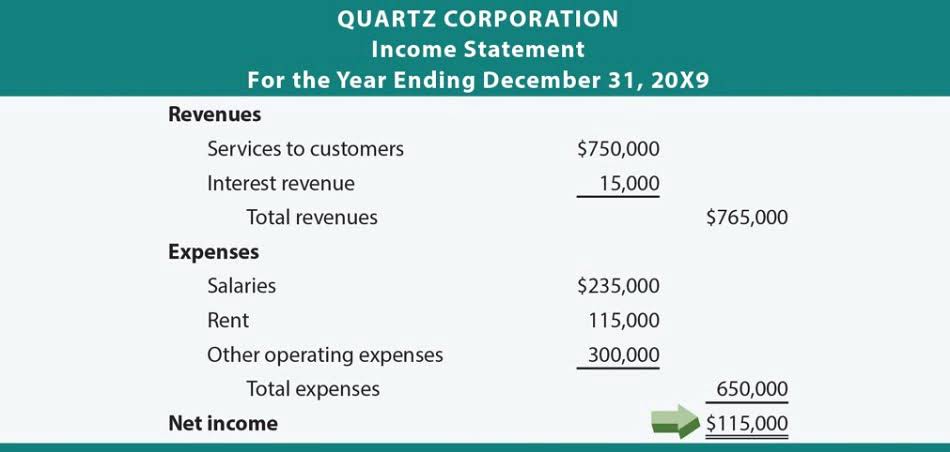
- This figure is important for stakeholders to understand the impact of inventory valuation on financial performance.
FIFO impacts on taxes
On the other hand, the FIFO method assumes that older inventory items are the first to sell. Most companies use FIFO to ensure the COGS matches their production schedule. When sales are recorded using the FIFO method, the oldest inventory–that was acquired first–is used up first. FIFO leaves the newer, more expensive inventory in a rising-price environment, on the balance sheet. As a result, FIFO can increase net income because Outsource Invoicing inventory that might be several years old–which was acquired for a lower cost–is used to value COGS. However, the higher net income means the company would have a higher tax liability.
- In contrast, LIFO assigns higher recent costs to the goods sold, increasing the cost of goods sold and reducing reported income.
- The COGS for each of the 60 items is $10/unit under the FIFO method because the first goods purchased are the first goods sold.
- Learn more about what LIFO is and its impact on net income to decide if LIFO valuation is right for you.
- If you’re serious about using Excel for inventory management, this tool is a game-changer.
- Remember, there is no correlation between physical inventory movement and cost method.
How does inflation affect FIFO calculations?
Inventory valuation methods may vary depending on accounting standards, industry requirements, and tax regulations in your country. Always consult with a qualified accountant before finalizing financial statements. When all inventory items are sold, the total cost of goods sold is the same, regardless of the valuation method you choose in a particular accounting period. Before diving into the inventory valuation methods, you first need to review the inventory formula. The components of the formula are used to calculate FIFO and LIFO accounting values. LIFO (Last In, First Out) is an accounting method used for inventory valuation, where the most recently acquired items are assumed to be sold or used first.

Inventory Valuation and Tax Planning

FIFO suits businesses dealing with perishable goods or industries experiencing inflation. However, companies should consider their circumstances and consult with accounting professionals to choose the best method. In this example, the company’s gross profit is $40,000, indicating that after covering the direct production costs, it retains $40,000 as profit from its core business operations. When the crypto market is heading up (bull market) and the cost basis is lower than the fair market value, FIFO accounting methods can often lead to the most capital gains. On the other hand, in a market where prices are dropping (bear market) and the cost basis is higher than fair market value, FIFO can limit your gains. The Generally Accepted Accounting Principles (GAAP) in the United States allows tax calculation agencies and software to choose how to calculate fifo and lifo between LIFO and FIFO accounting methods.
- Whether navigating rising costs or ensuring compliance with accounting standards, mastering FIFO will help you manage your inventory and finances more precisely and confidently.
- Leaving the newer, more expensive inventory for a higher costs environment.
- Imagine there is a company selling a product in 5 units on hand with a cost of $11 per unit.
- For retail businesses, choosing between FIFO, LIFO, and WAC can influence how you manage inventory, plan for taxes, and assess your financial health.
FIFO clarifies inventory costs and aligns well with financial reporting standards. LIFO, while useful for managing tax liabilities, doesn’t always reflect true maintenance costs. If a company is stocking critical spare parts, using LIFO can result in an outdated inventory valuation, creating discrepancies between financial records and actual asset conditions.

In other words, the older inventory, which was cheaper, would be sold later. In an inflationary environment, the current COGS would be higher under LIFO because the new inventory would be more expensive. As a result, the company would record lower profits or net income for the period. However, the reduced profit or earnings means the company would benefit from lower tax liability. Then, since deflation decreases price over time, the ending inventory value will have less economic value. As the FIFO method assumes we sell first the firstly acquired items, the ending inventory value will be lower than in other inventory valuation methods.